
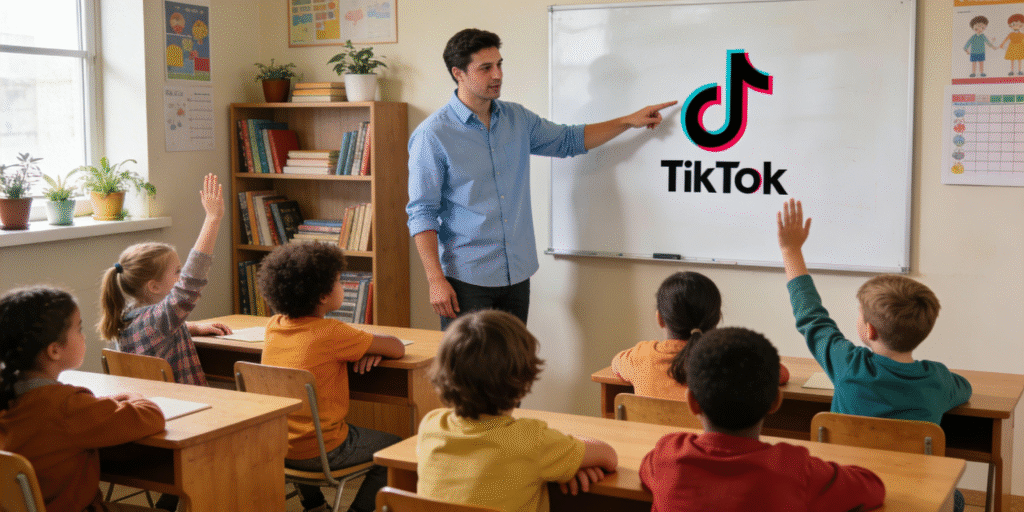
A fifth-grade student raises their hand during a lesson and, with total confidence, asks if it’s true that drinking a special tea can stop your period from coming. You see a few other students nod along. In that moment, it’s clear that our classrooms are where the world of online information meets real-world curiosity. This scenario, or one strikingly similar, is an experience many educators are facing today.
Why you’re seeing more health misinformation in the classroom
It makes sense that you’re seeing more of this. Students are naturally curious about their changing bodies, and they’re turning to the most accessible source of information they have: the internet. According to one survey, 84% of teens turn to the internet for health information, and social media platforms like TikTok are often their first stop. The challenge is that the advice they find there can be a mix of helpful facts and harmful inaccuracies.
This isn’t just a feeling; it’s backed by research. A recent study on sexual health content found that 21.4% of TikTok videos from non-medical professionals contained misinformation. For comparison, videos from verified medical professionals had an inaccuracy rate of only 3.4%. This gap highlights a critical challenge: students often can’t distinguish between a credentialed expert and a confident influencer.
Understandably, this can be concerning. Beyond the confusion and anxiety that bad information can cause, some social media trends have led to a documented rise in ER visits and hospital admissions from dangerous challenges. But these moments don’t have to be a threat. Instead, we can see them as a perfect, real-world opportunity to teach media literacy and build a trusting classroom environment.
How to respond to common myths with confidence
You don’t need to be a health expert to correct misinformation. You just need simple, accurate language. Here are a few common myths your students might bring up, along with some easy, scripted responses you can use.
Puberty Myths
Myth You Might Hear: “Puberty happens overnight.”
What to Say Instead: “That’s an interesting idea! Actually, puberty is a process that unfolds gradually over several years, not all at once. Everyone’s timeline is a little different, and that’s completely normal.”
Myth You Might Hear: “Only boys’ voices get deeper.”
What to Say Instead: “It’s true that many boys experience their voices getting much deeper during puberty. But did you know that people of all genders can experience some voice changes as their bodies develop? It’s just one of the many ways our bodies grow and change.”
Myth You Might Hear: “Junk food is the only thing that causes acne.”
What to Say Instead: “Many things can affect our skin. While eating a balanced diet is important for overall health, acne is mostly caused by the hormones that become active during puberty. It’s a very normal part of growing up for almost everyone.”
Body Health Myths
Myth You Might Hear: “You can’t exercise during your period.”
What to Say Instead: “That’s a common thought, but it’s actually not true! Many people find that gentle exercise, like walking or stretching, can actually help reduce cramps and boost their mood during their period. The most important thing is to listen to your body and do what feels right for you.”
Myth You Might Hear: “Period blood is ‘dirty’.”
What to Say Instead: “Not at all! A period is your body’s way of releasing unneeded tissue and fluid from the uterus, and it’s a completely normal and healthy process. It’s not ‘dirty’ in any way, just a natural sign of a healthy, developing body.”
Myth You Might Hear: “Certain foods can delay your period.”
What to Say Instead: “While your overall health, like good nutrition and enough sleep, can certainly influence your body’s cycles, a specific food isn’t going to stop your period from coming when your body is ready. Your body’s internal clock is usually in charge of that!”
A simple framework for addressing online myths
When a student shares a myth you haven’t prepared for, it can feel intimidating. Instead of freezing, you can rely on a simple, memorable framework: Question, Correct, and Connect.
1. Question: Start by asking, “That’s an interesting idea. Where did you hear that?” This simple question does two powerful things. First, it avoids putting the student on the defensive. Second, it gently prompts them—and the rest of the class—to start thinking about sources. You’re teaching them to be critical consumers of information, a skill they’ll use their whole lives.
2. Correct: Use a simple, medically accurate script like the ones above. State the fact clearly and confidently. For example, “Actually, here’s what we know to be true…” followed by a short, factual statement. Your calm confidence is just as important as the information itself.
3. Connect: Tie the moment back to the bigger picture. You can say, “That’s a great example of why we have to be careful about the health advice we see online. A better place to find reliable information is from a trusted adult, a school nurse, or a medical professional.” This step transforms a simple correction into a lasting lesson on media literacy and the importance of checking multiple, reliable sources before believing a claim.
Creating a home-school partnership to counter misinformation
You are a critical guide for your students, but you don’t have to be the only one. Countering health misinformation is most effective when it’s a team effort. This is a core part of building a strong home-school partnership.
Consider sending home a Family Partnership Flyer that encourages parents and caregivers to have conversations about finding reliable health information online. You can frame it as a shared goal: working together to equip students with the critical thinking skills they need to navigate the digital world safely. When families know what’s being discussed in the classroom, they are better prepared to continue those important conversations at home.
You are a vital guide helping students sift through a world of information. With these simple scripts and strategies, you can confidently address misinformation, turn a potentially awkward moment into a powerful learning experience, and empower your students to become savvy, healthy individuals.
Learn more about how Puberty: The Wonder Years equips students with media literacy skills.
Request a free sample lesson to see how we address these topics in the classroom and support you in teaching them with confidence.
