Intersectionality and Disability
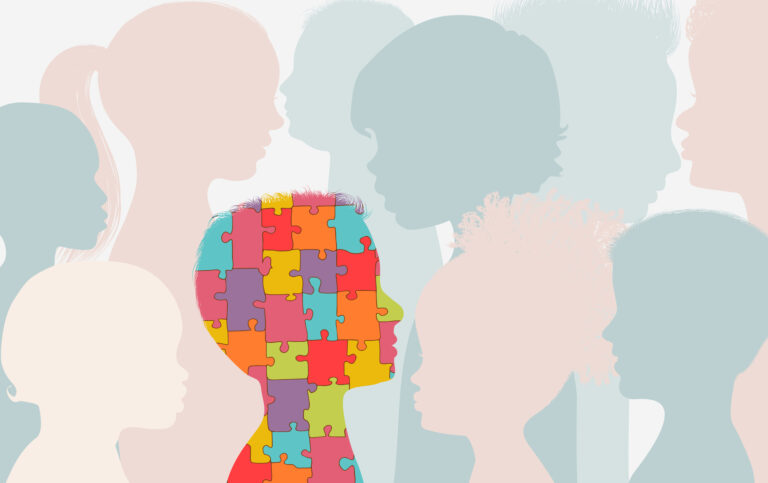
Awareness of intersectionality and appreciation for all aspects of people’s identity is important.
Awareness of intersectionality and appreciation for all aspects of people’s identity is important.
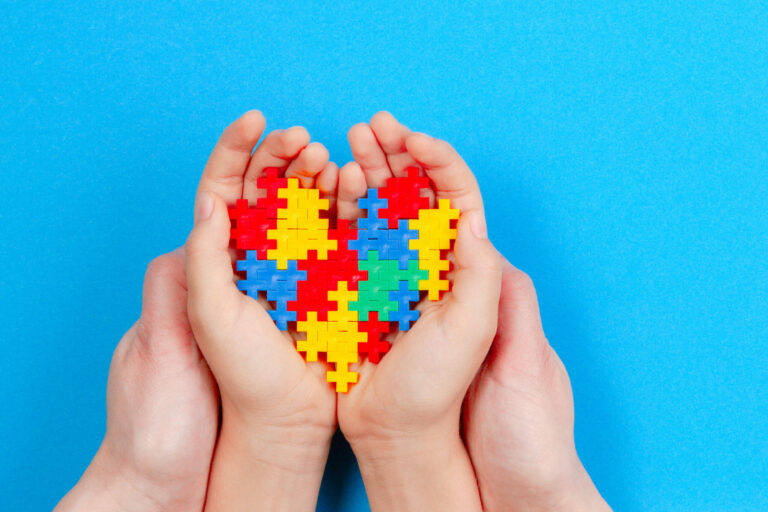
Many people with disabilities have teams of support people.
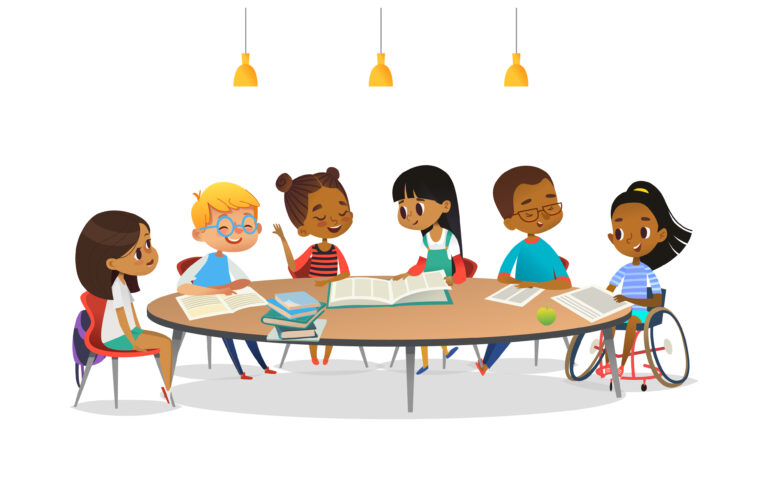
People with disabilities experience complex social-emotional changes of puberty.
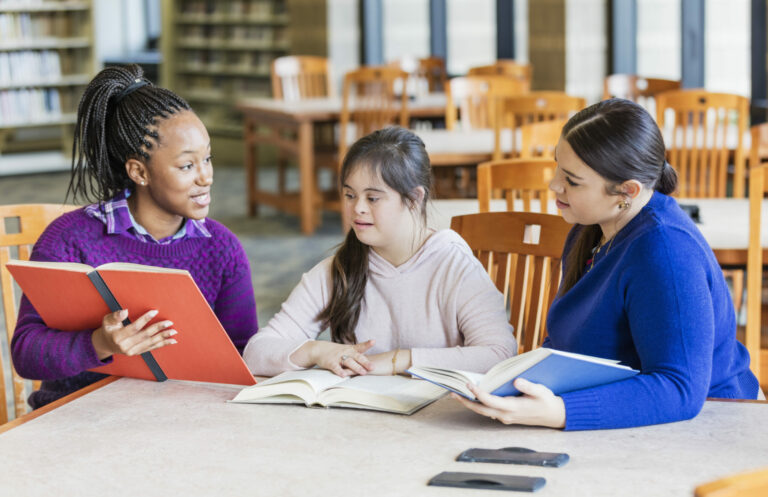
Everyone is unique, so awareness of variations can help educators support students with disabilities alongside their peers.

Announcing the NEW 2022 Online Training Courses! These training courses correspond with the newest 2021 edition of Puberty: The Wonder Years.

Education on body boundaries and consent is vital for the safety and well-being of youth with disabilities.
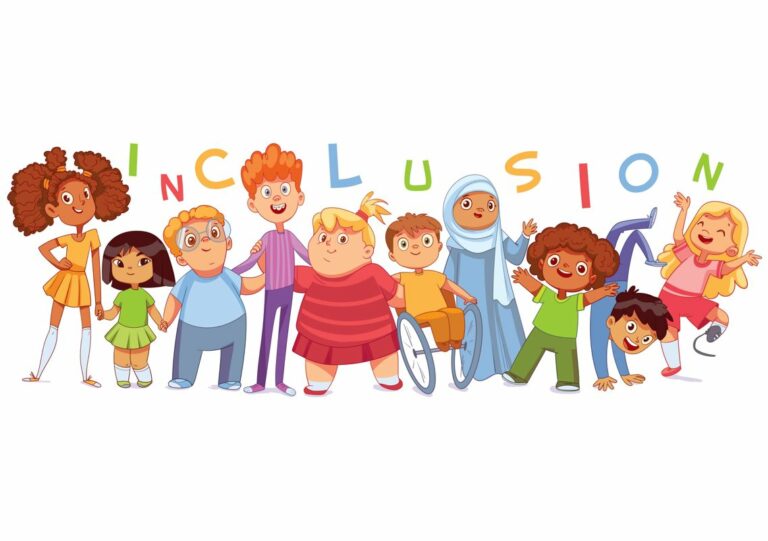
Following best practices for accessible and inclusive lessons fosters supportive environments for all students with a wide variety of needs.
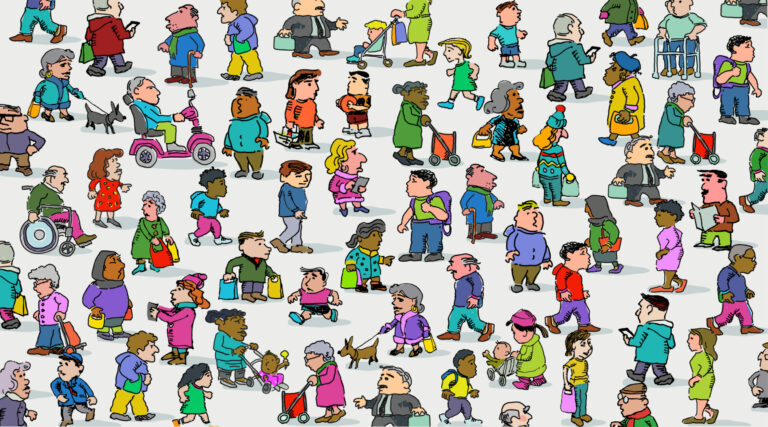
Puberty can be an uncomfortable topic and adding disability does not make conversation easier. Learn how to talk about disability.

Puberty: The Wonder Years recently received high scores from education curriculum reviewers in Washington state.
The Puberty Lady created a puberty book list and a series of video book reviews.

Summer is a great time to explore…Tools for Sex Educators Sure, you’re “off for the summer.” But anyone who knows a teacher sees right through that expression. We all know you are busy refreshing, renewing, and readying for the new…
By using strategies that address these two main goals, the home-school partnership that supports and protects students can be strengthened. Family Engagement 5 is the last in a five-part series.